











Rain doesn't ruin trips — soaked electronics, a soggy passport, and a musty-smelling shoulder strap do. This guide covers exactly how to keep a travel backpack dry in wet weather, from liner bags to zipper sealing, using steps that hold up on a real 2026 itinerary rather than a fair-weather one.
- Line the main compartment with a liner bag before packing — this is the single best way to keep a travel backpack dry.
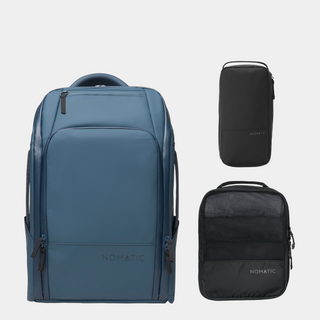
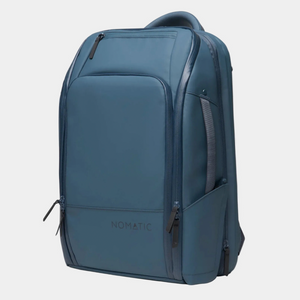
- The NOMATIC Backpack uses water-resistant shell fabric and YKK zippers, but seams and pulls still need backup protection.
- A packable rain cover beats a poncho for backpack water resistance because it seals the zippers, not just the top flap.
- Electronics belong in a dedicated dry pouch inside the bag, never loose against the fabric.
- DWR spray coatings wear off after 3-4 washes — reapply once or twice a year if you travel often.
Why this matters
A travel backpack is not a rain jacket. Most shell fabrics resist a light drizzle for a few minutes, then start wicking water through the seams and zipper teeth. The bag doesn't need to be submerged to cause damage — a 20-minute walk in steady rain in 2026 will soak a laptop sleeve that's sitting flush against an untreated panel.
The fix isn't a single waterproof bag. It's layered protection: a liner, sealed zippers, an external cover, and a drying routine after the fact. Skip any one layer and you're gambling on the forecast.
What you'll need
- A contractor-grade trash bag or a roll-top dry bag liner (sized to the main compartment)
- A packable rain cover, sized 2-5L larger than your pack
- A small waterproof pouch for phone, passport, and chargers
- Silicone-based DWR spray (not a generic waterproofing spray)
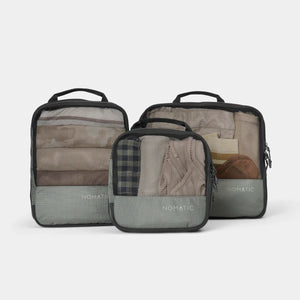
- Packing cubes to keep clothing separated from anything that gets damp
- A microfiber towel for wiping down the exterior after exposure
If you're building a pack from scratch for wet climates, the NOMATIC Backpack uses water-resistant shell fabric and YKK zippers as a starting point — the steps below add the protection that fabric alone doesn't cover.
The steps
1. Line the main compartment before you pack anything
This is the step people skip and regret. Open the main compartment, drop in a contractor bag or roll-top liner, and pack everything inside that liner before it goes into the backpack. Roll the top of the liner down twice and tuck it — don't just fold it over.
Expected outcome: even if water gets past the zippers, your clothing and gear stay dry because the liner is the actual barrier, not the shell fabric. Common mistake: using a thin grocery bag that tears on day two. Spend the $2-3 on a contractor bag rated 3 mil or thicker.
2. Seal the zippers with wax, tape, or covered pulls
Zipper teeth are the weakest point on any backpack, water-resistant or not. Run a bar of paraffin wax or a zipper-specific wax stick along the teeth once before a trip — it fills the gaps without gumming up the slider. In a pinch, a strip of electrical tape over the closed zipper works for a single wet day.
Expected outcome: water beads and rolls off instead of seeping through the teeth. Common mistake: waxing the zipper pull instead of the teeth — the pull isn't the leak point.
3. Isolate electronics and documents in a dedicated dry pouch
Don't rely on the bag's water resistance for anything with a circuit board. Put your phone, passport, chargers, and any loose cash in a small roll-top dry pouch, then place that pouch in the same compartment you use for tech day-to-day. On a bag like the NOMATIC Travel Pack, that's the dedicated laptop and tech sleeve.
Expected outcome: even a full liner failure doesn't reach your electronics. Common mistake: relying on a laptop sleeve's padding alone — padding stops impact, not water.
4. Add an external rain cover before the rain starts
A rain cover goes over the entire exterior, cinches at the base, and seals the zippers from outside contact entirely — that's the difference between a cover and a poncho draped over the top. Buy one sized 2-5L larger than your pack so it fits over external straps and pockets without stretching thin.
Expected outcome: the shell fabric stays dry, which means the DWR coating underneath lasts longer. Common mistake: putting the cover on after you're already soaked — check the forecast and cover the bag before you leave, not after the first drops hit.
5. Treat the fabric with a DWR spray before the season starts
Durable water repellent (DWR) coatings on factory shell fabric wear down after 3-4 washes or roughly a year of regular travel. Spray a silicone-based DWR treatment evenly across the exterior, let it cure for 24 hours away from direct heat, and repeat once or twice a year if you're traveling every month.
Expected outcome: water beads on the surface instead of soaking in within the first few minutes of rain. Common mistake: spraying a wet bag — the coating needs a dry surface to bond.
6. Dry the pack fully before storing it
A backpack that goes into a closet damp will smell like mildew within 48 hours, and that smell doesn't come out with a wipe-down. After any wet-weather use, unpack everything, open every compartment fully, and let the bag air-dry at room temperature — never near a heater or in direct sun, both of which degrade the coating and the zipper tape.
Expected outcome: no odor, no coating breakdown, no mold in the seams. Common mistake: stuffing a still-damp bag into a closet the night before an early flight.
Troubleshooting
- Zippers leak even with a rain cover on: the cover isn't cinched tight enough at the base — recheck the drawstring after putting the pack on your back, since the shape shifts.
- Bag smells musty after storage: it went into storage damp. Air it out for 24 hours, then wipe the interior with a diluted vinegar solution before storing again.
- DWR coating seems to have stopped working: it has, if the fabric is more than a year old with regular use. Reapply a fresh coat rather than assuming the fabric failed.
- Rain cover keeps blowing off in wind: you bought one sized too close to the pack. Go up one size so there's slack for the cinch cord to actually grip.
- Water pools at the base of the pack: set the pack down less on wet ground and more against a vertical surface — pooling happens at the flattest, lowest point, which is almost always the base panel.
- Electronics still fog up inside a dry pouch: condensation, not a leak — the pouch trapped humid air before you sealed it. Let devices reach room temperature before sealing them in.
Tools and resources
- Packing cubes to separate dry and damp-risk items inside the liner
- A NOMATIC toiletry bag for anything with liquids, kept away from electronics regardless of the weather
- A microfiber towel, packed in an outer pocket, not buried in the main compartment
- Silicone-based DWR spray, reapplied once or twice a year
- A packable rain cover sized 2-5L over your pack's stated capacity
What to do next
Once the bag itself is protected, the next failure point is how you pack it — a liner does no good if the same wet items keep touching dry ones inside it. Walk through how to pack a travel backpack for a two-week trip to set up compartments that keep everything separated before the weather becomes a factor.
FAQ
How do I keep a travel backpack dry in heavy rain?
Layer a liner bag inside the main compartment with an external rain cover over the whole exterior — the liner stops leaks that get past the cover, and the cover keeps the shell fabric and zippers from taking on water in the first place.
Is a rain cover better than a poncho for a backpack?
Yes. A rain cover seals the zippers and base of the pack, while a poncho only shields the top and back panel, leaving side pockets and zipper lines exposed in steady rain.
How often should I reapply DWR spray on a backpack?
Reapply DWR spray once or twice a year for regular travelers, since the coating wears down after roughly 3-4 washes or a year of consistent outdoor use.
Can I use a trash bag as a backpack liner?
A contractor-grade trash bag rated 3 mil or thicker works fine as a liner and is cheaper than a dedicated dry bag, but a thin grocery-style bag will tear within a day or two of regular packing.
How do I keep electronics dry in a wet backpack?
Put phones, chargers, and passports in a small roll-top dry pouch placed inside the bag's dedicated tech compartment, since padding alone protects against impact, not water.
Why does my backpack smell musty after a rainy trip?
It was packed away while still damp. Air the bag out fully for at least 24 hours and wipe the interior with a diluted vinegar solution before storing it again.
Does a water-resistant backpack need a rain cover too?
Yes, in steady or heavy rain. Water-resistant shell fabric handles light drizzle, but sustained rain finds the zippers and seams that the fabric coating doesn't cover.
What's the biggest mistake people make keeping a backpack dry?
Relying on the bag's factory water resistance alone and skipping the liner. The liner is the actual barrier — the shell fabric just buys you a few extra minutes.
One last thing
Most of the damage from wet weather doesn't happen during the rain — it happens in the 48 hours after, when a packed, damp bag sits closed in a closet or overhead bin. If you remember nothing else from this guide, remember to unzip everything and let the bag breathe the same night you get back, even if you're exhausted and it's 2026's worst travel day yet.
 Your Privacy Choices